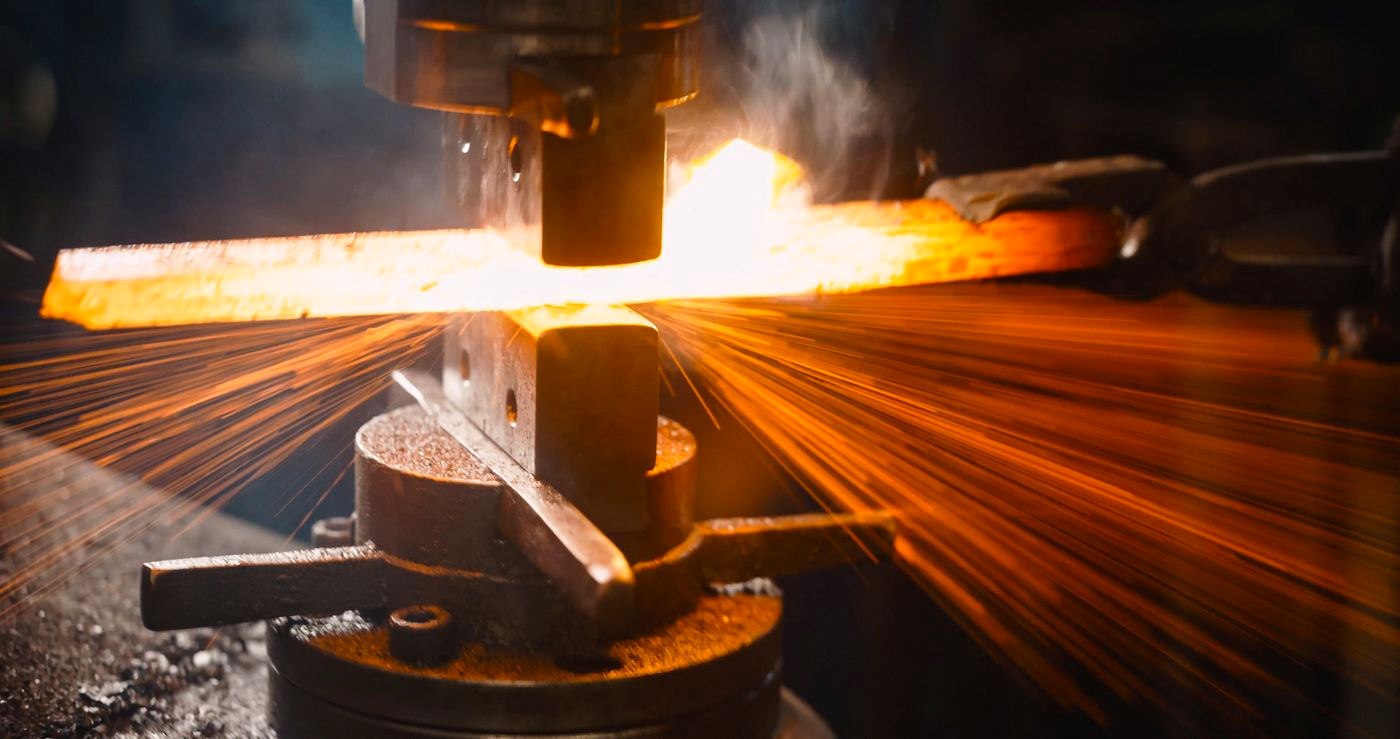
Cast once.
Tuned forever.
We pour bell bronze at 1,150 °C, then tune every bell by hand on the lathe — shaving metal until its five voices ring in true harmony.
Five voices,
One bell.
Struck once, a bell speaks with five distinct partials. Left as cast they clash; tuned on the lathe they lock into simple musical intervals — the true-harmonic tuning perfected in the 19th century after Canon Simpson. Scroll, and hear them come into tune.
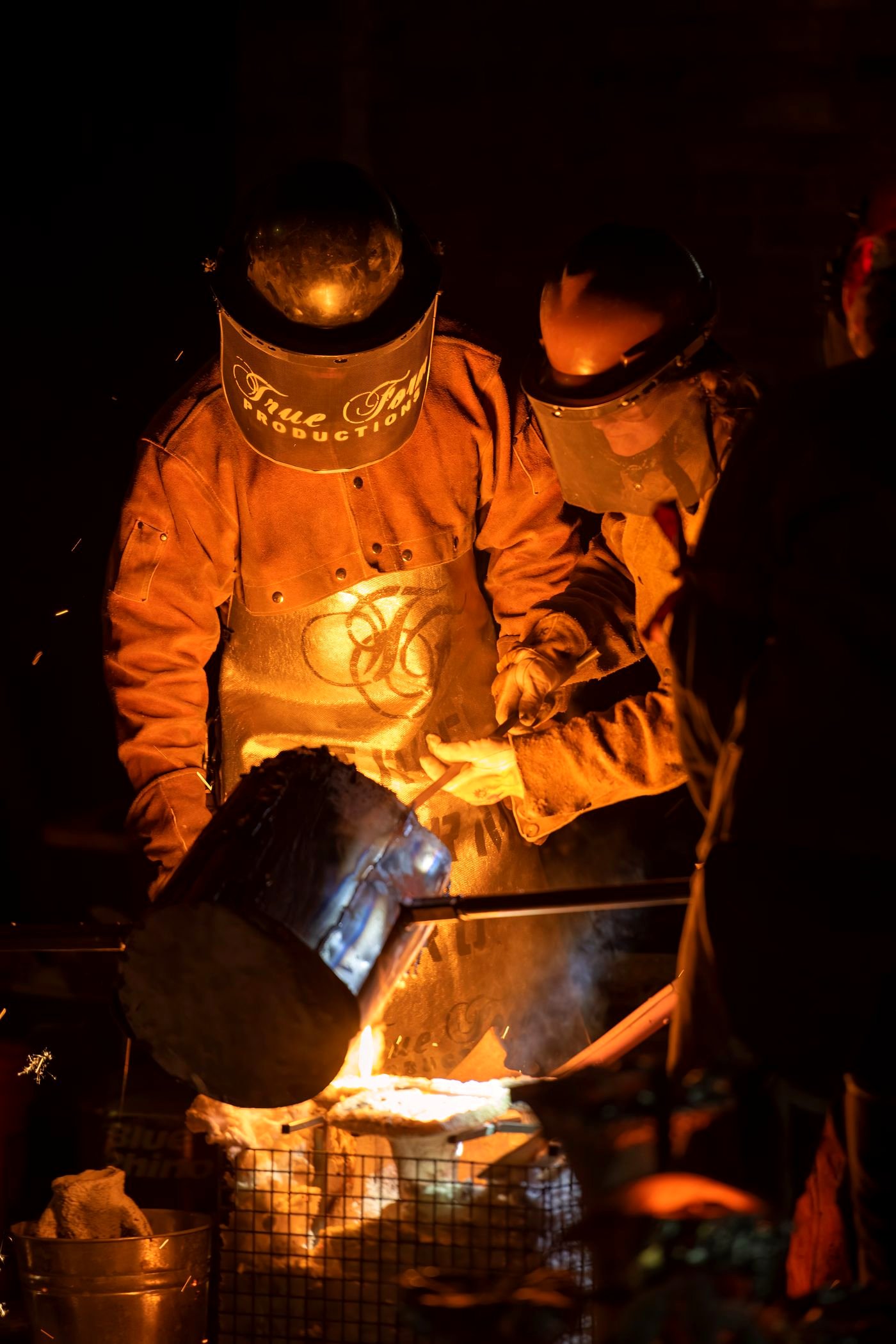
Three acts in bronze.
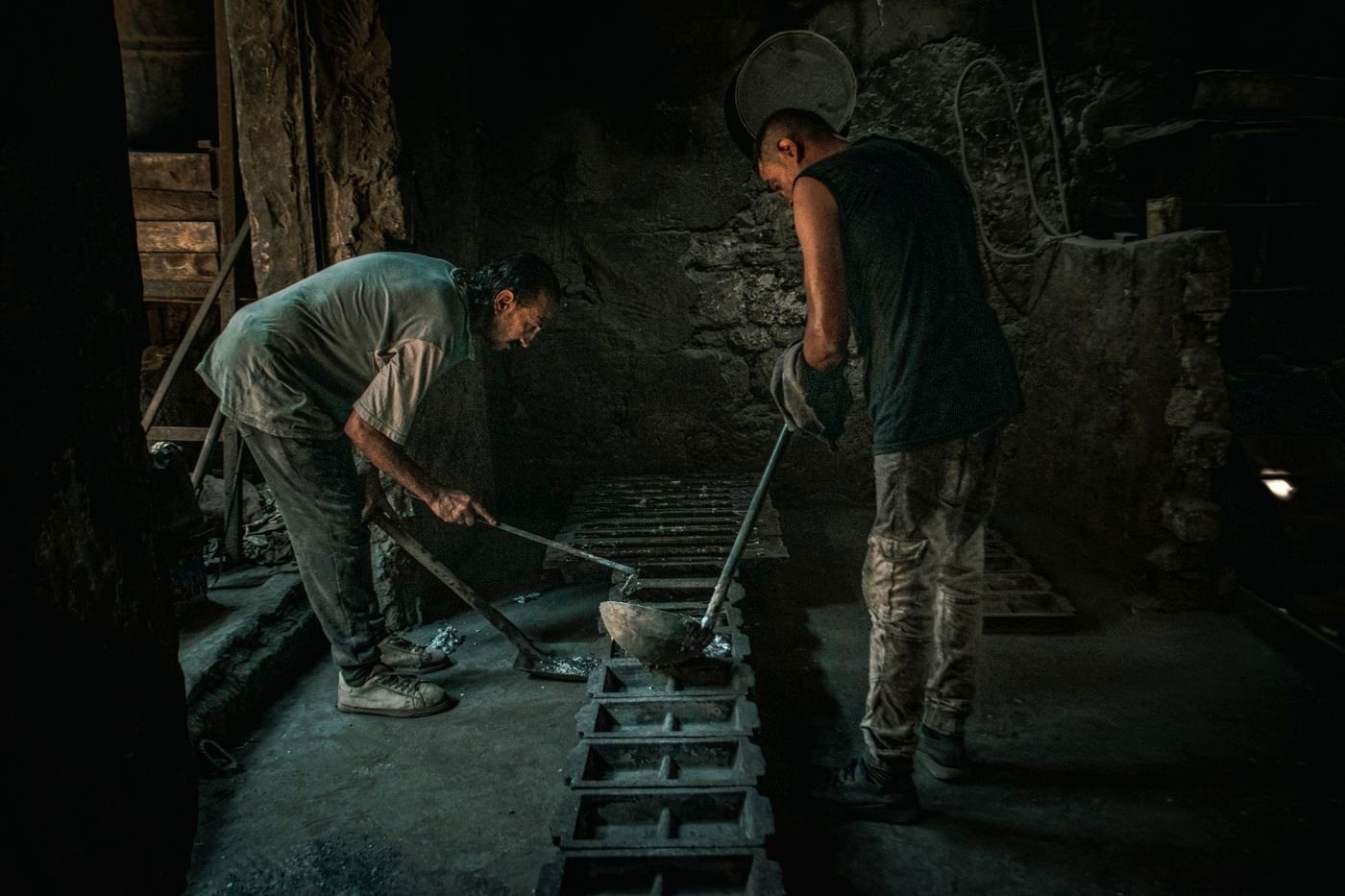
Loam, cope & core
The bell is shaped in loam — a core built to the inner profile, a cope struck to the outer. A strickle board sweeps the curve by hand. No two moulds are ever identical.
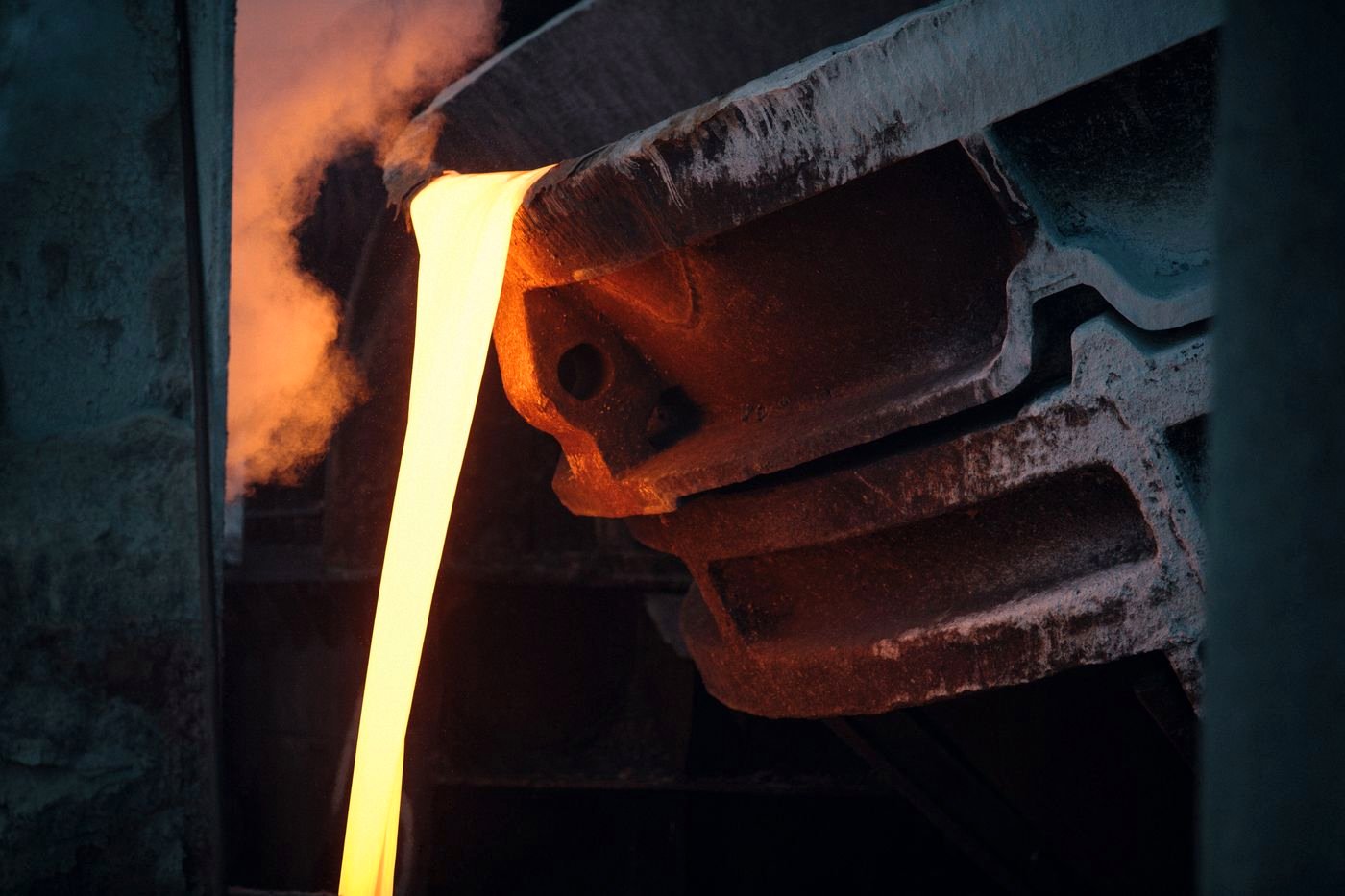
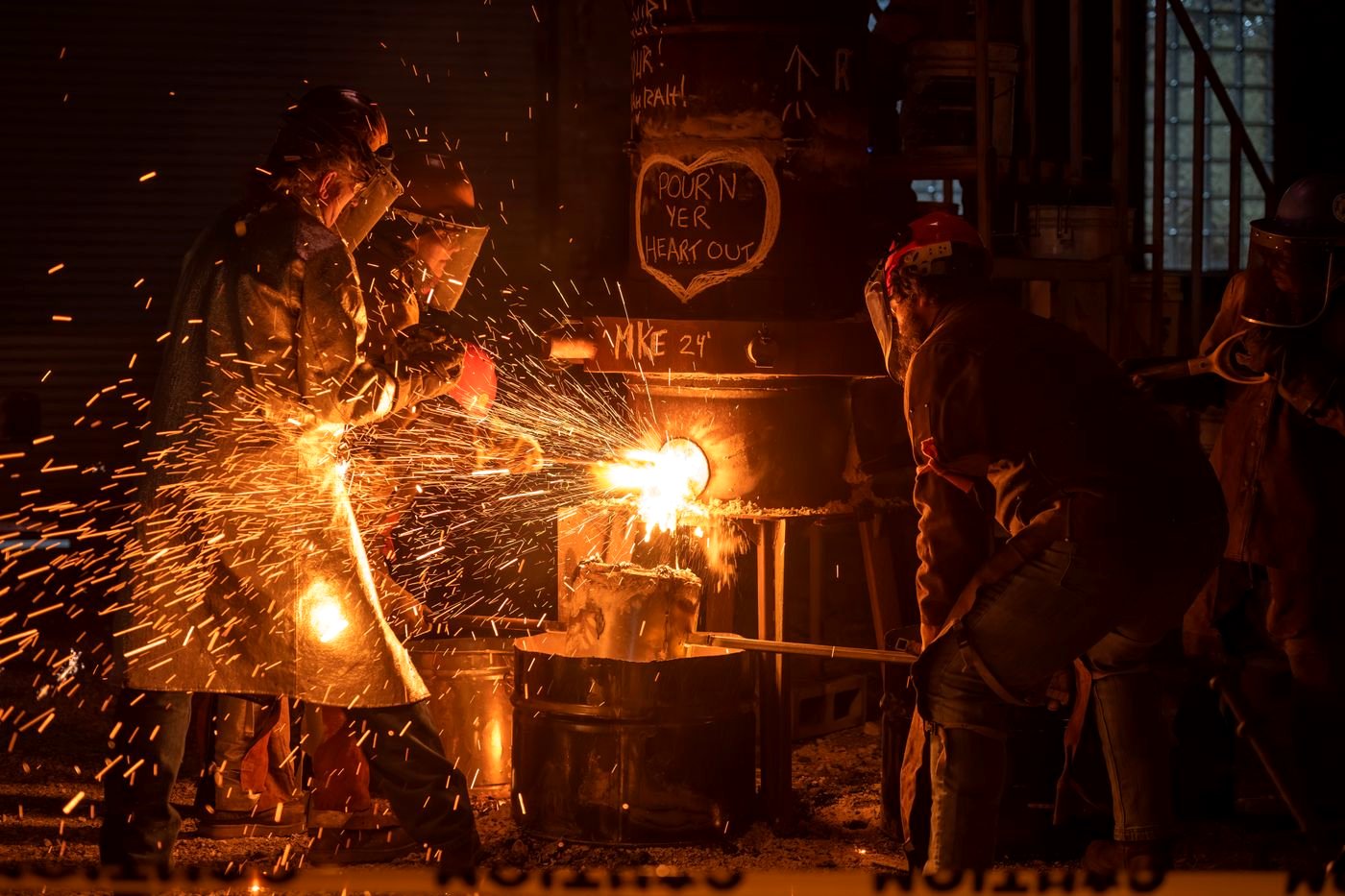
Bronze at 1,150 °C
Bell metal — roughly 78% copper, 22% tin — is melted and poured in a single breath. Too much tin and the bell is brittle; too little and the voice goes dull. The alloy is the sound.
Cut to true harmony
Cooled and broken from the mould, the bell goes on a vertical lathe. Metal is shaved from five precise zones until hum, prime, tierce, quint and nominal align. This is where a casting becomes a bell.
Bells that found their voice.
A bell is named, weighed and struck to a note. These left the foundry tuned true.
Fire, bronze, and a good ear.
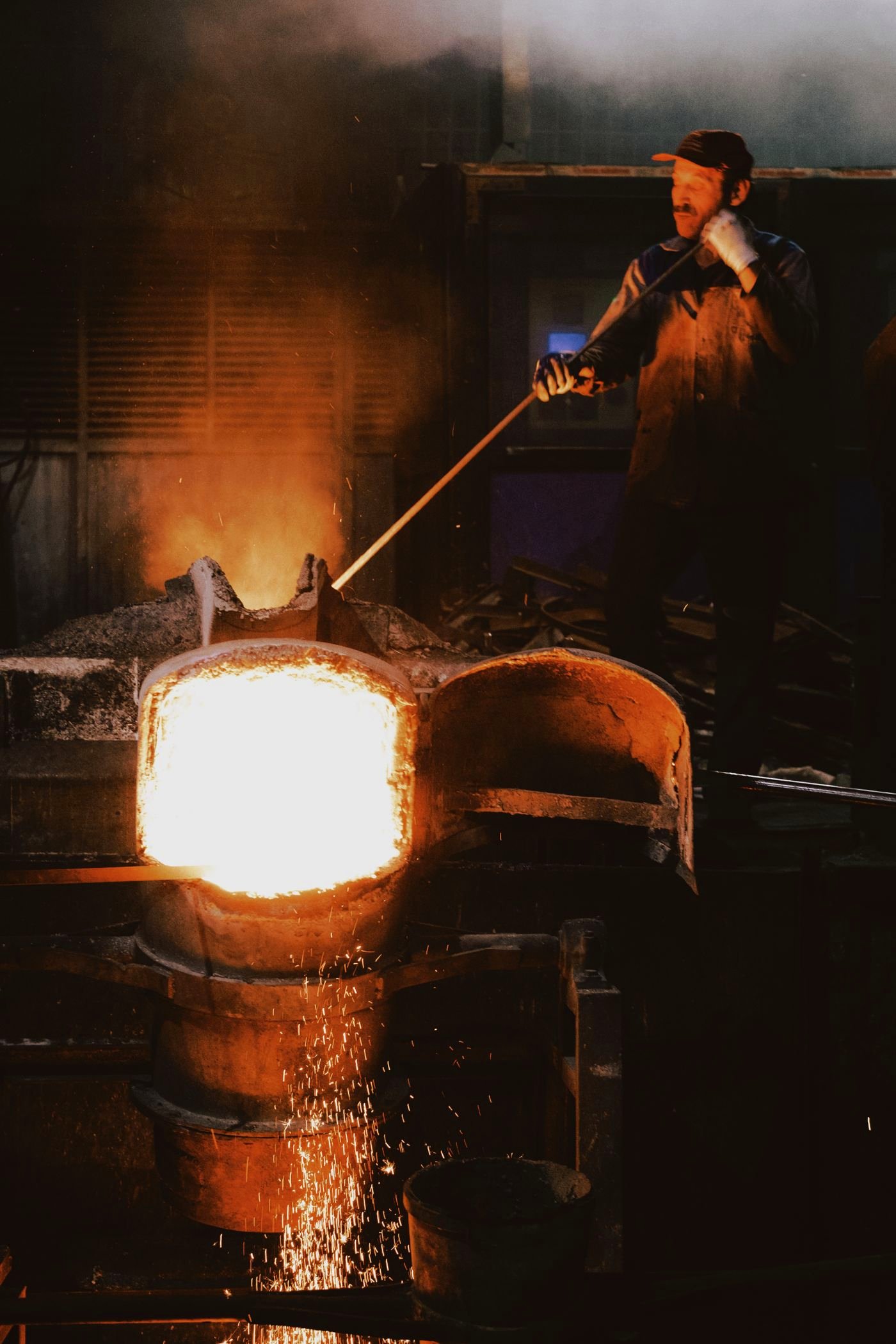
For over a century this foundry has cast and tuned bronze bells — for towers, carillons and private commissions. Everything is done under one roof: pattern, mould, melt, pour and tuning. We cast few bells a year, and we tune every one by ear.
Ring true.
Tell us the tower, the note, the weight — or just the occasion. We will write back with a drawing and a price.